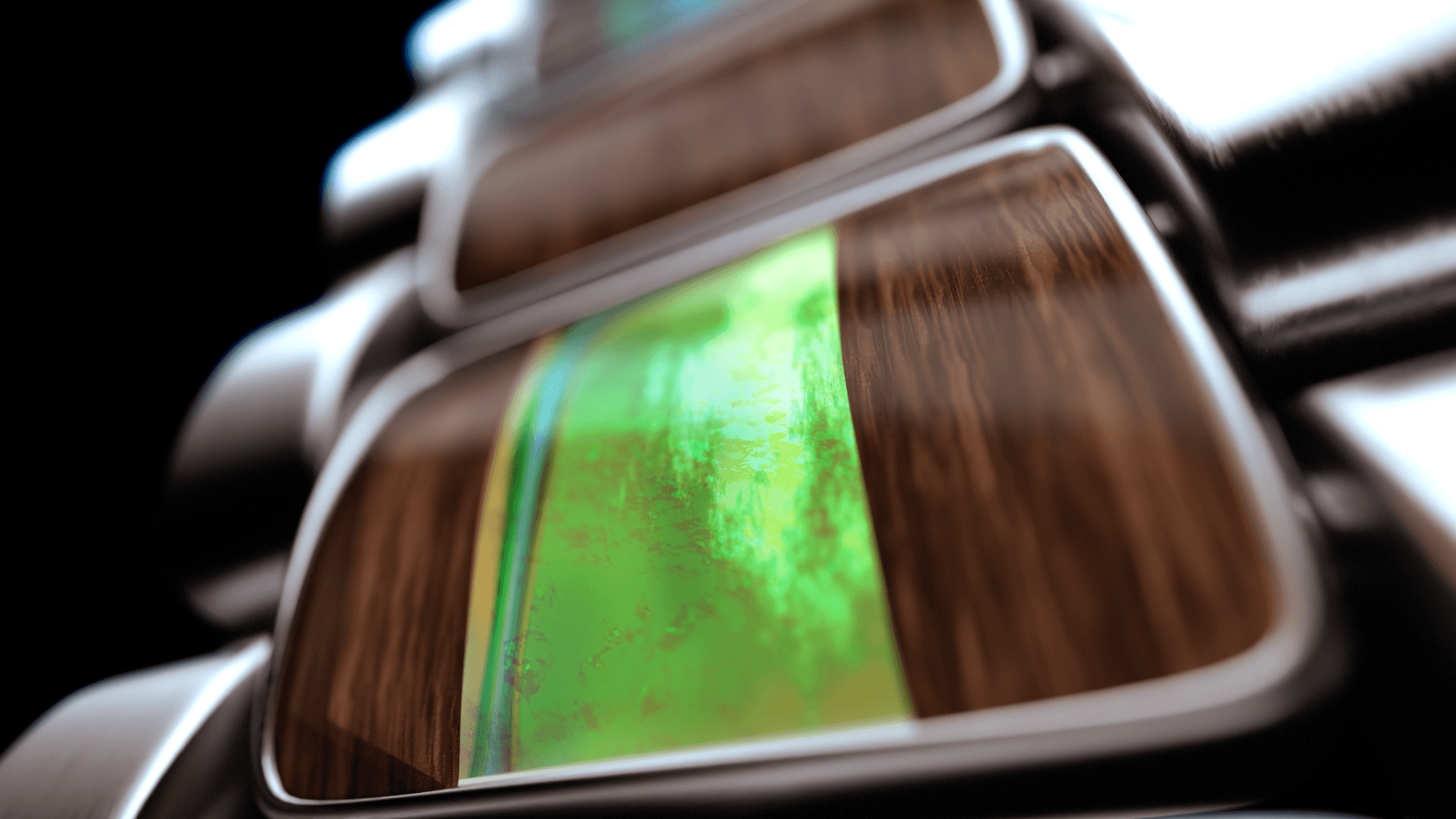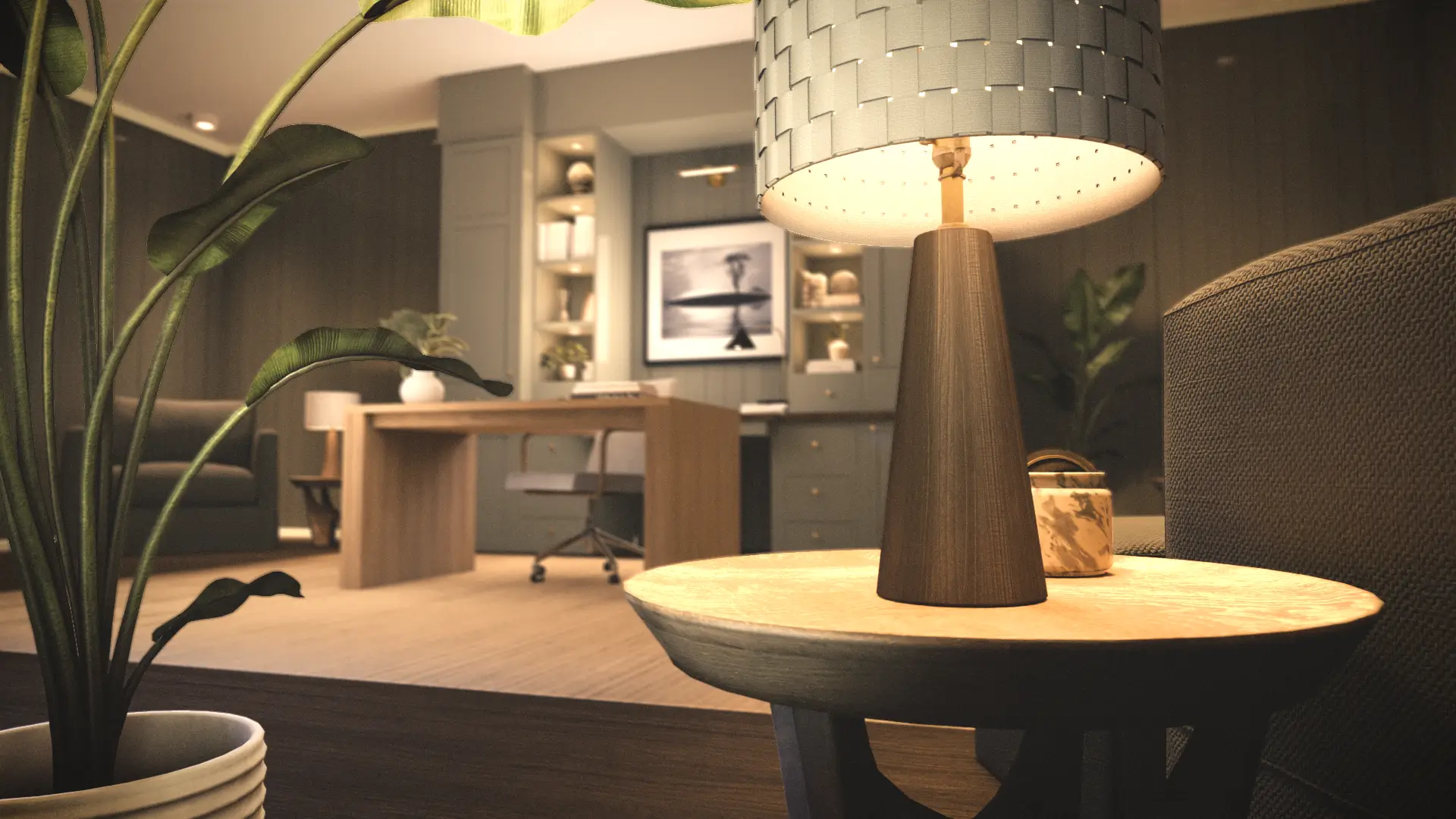

Precision meets craftsmanship


Cinematic Product Spec Ad
Taylor 814ce Guitar
Independent, self-initiated project. Not commissioned by or affiliated with Original Grain or Taylor Guitars
This piece is a study in product storytelling. It explores how mood, lighting, and environment can elevate a familiar object into a focused brand moment.
Visual Direction
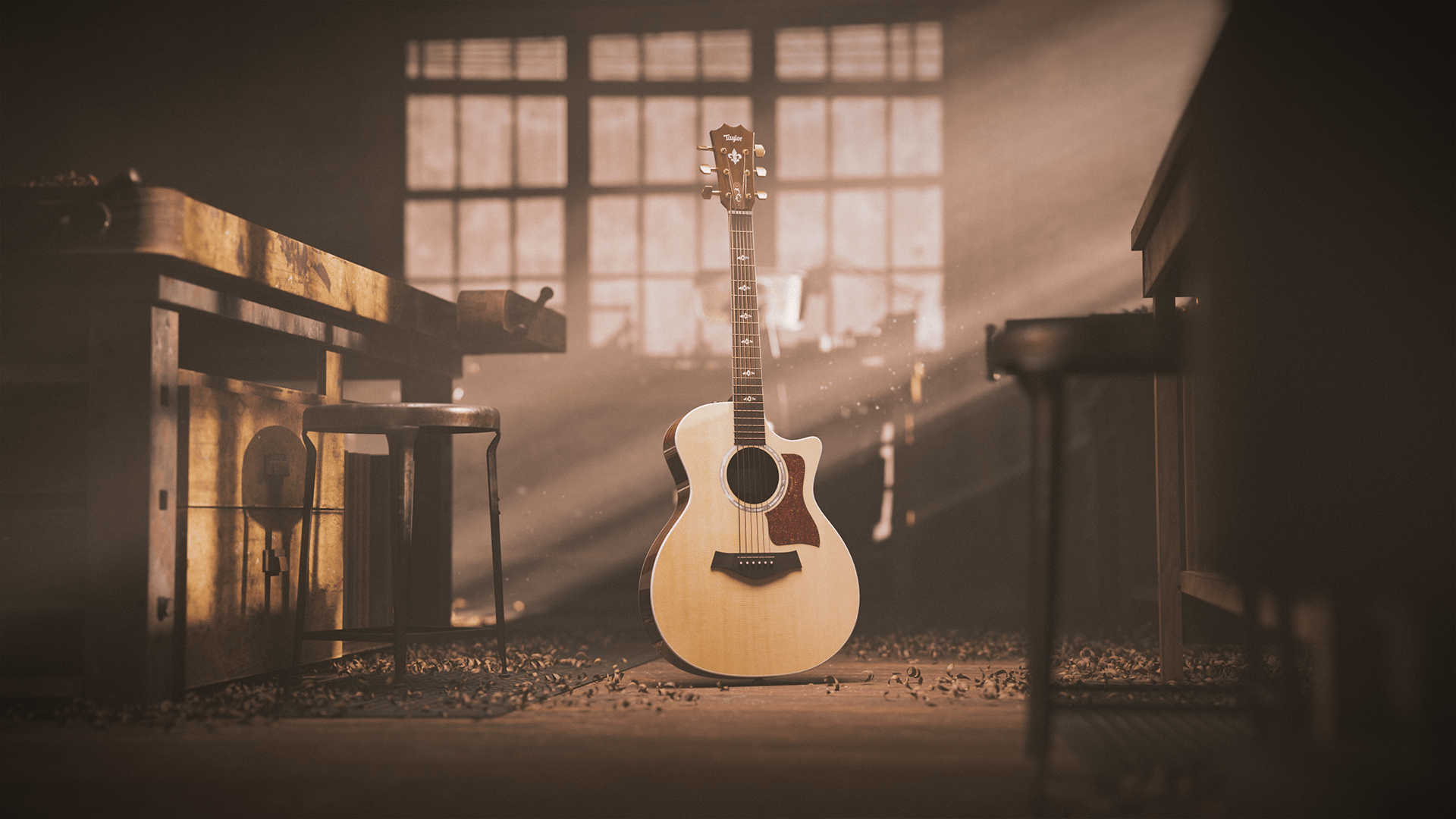
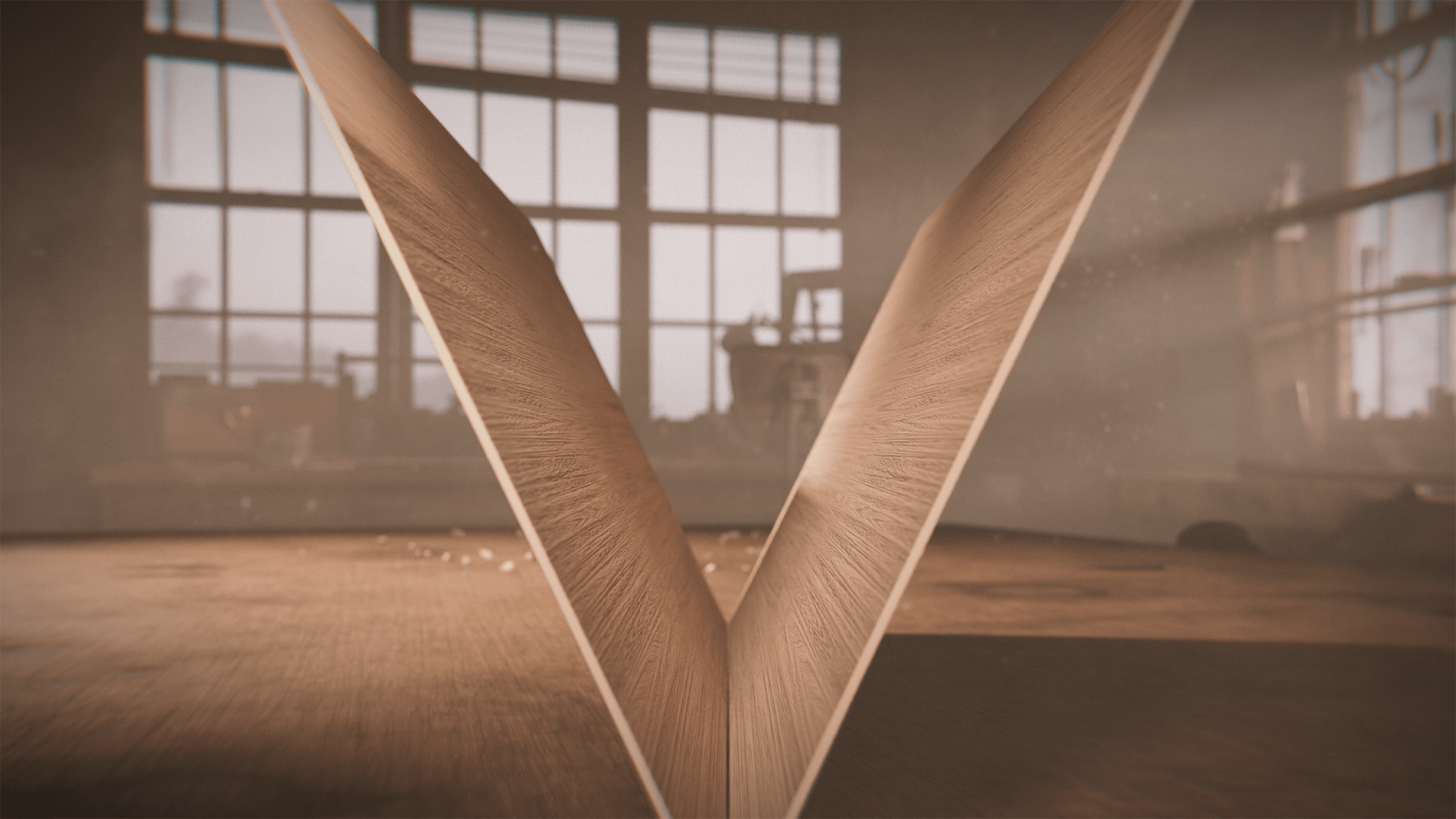
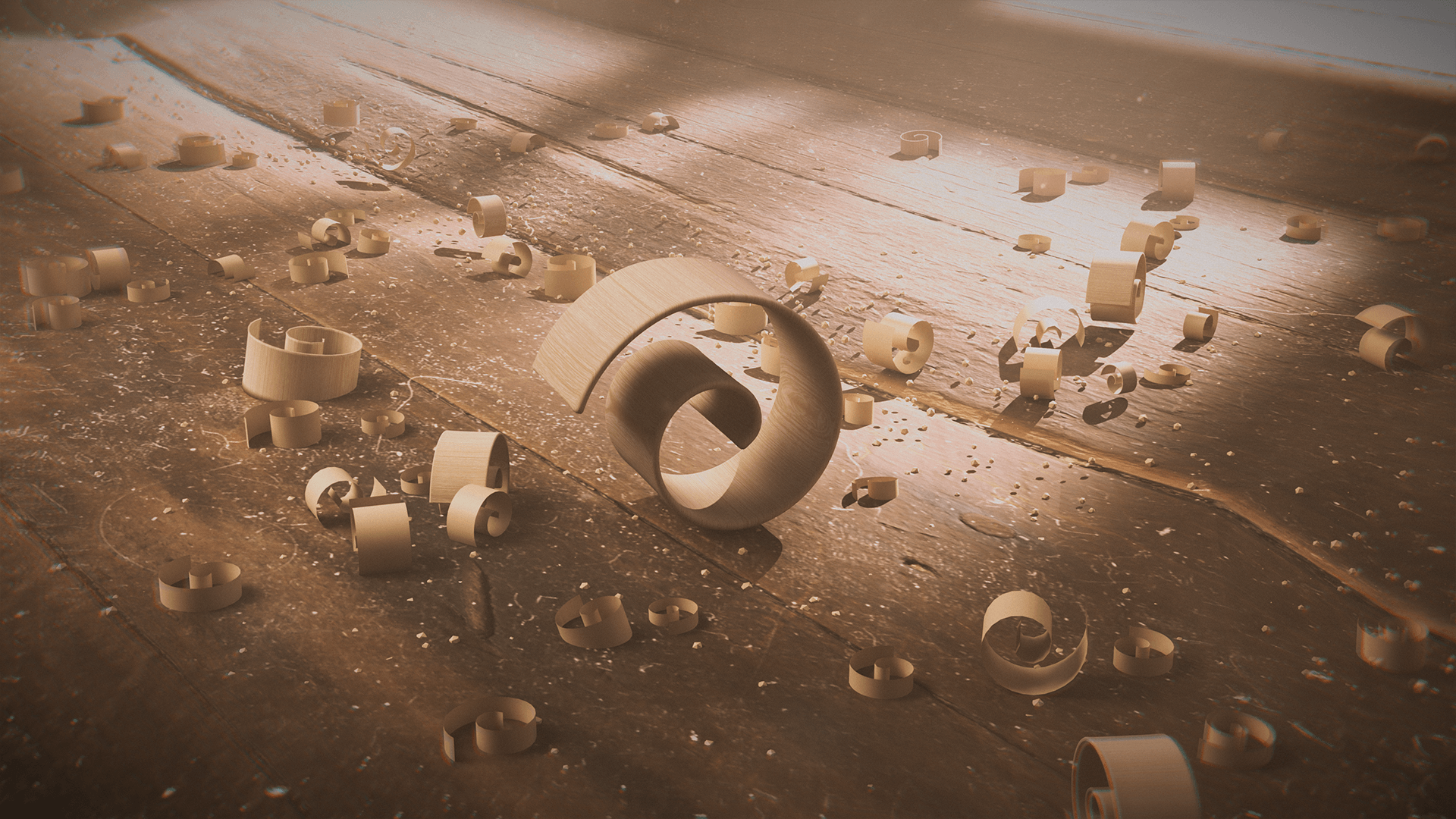
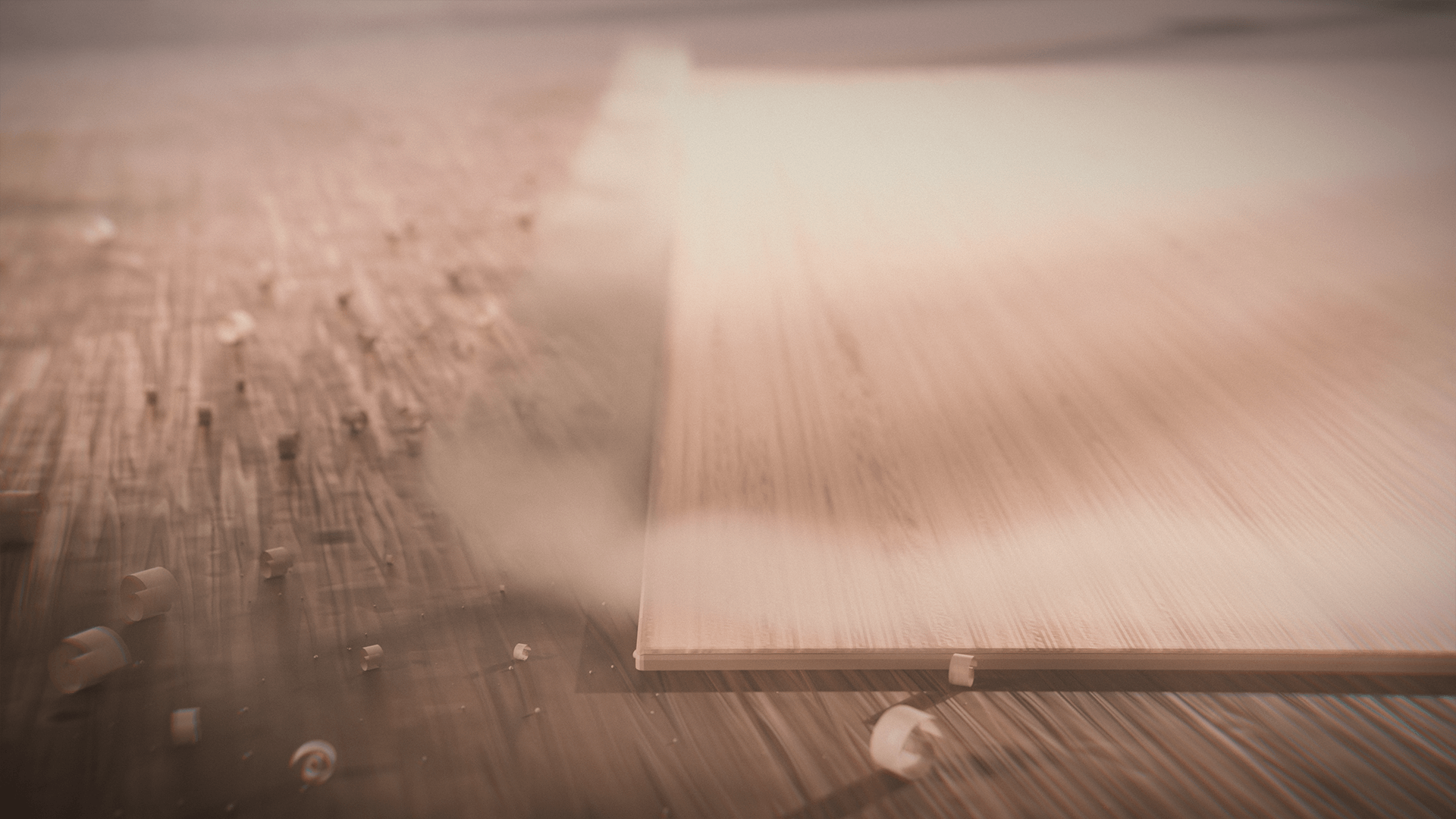
The visual language is rooted in the image of a grandfather’s workshop. Lived in, weathered wood, diffused light cutting through dusty air, tools worn smooth with use. Warm, golden tones dominate the palette. Volumetric lighting plays a central role, softening the space while adding weight and atmosphere to every frame. The guitar is always the hero, but the environment does the storytelling. Nothing is clinical. Everything feels touched.
The Creative
Click to Enlarge

Commercial Application & Scalability
Click to Enlarge
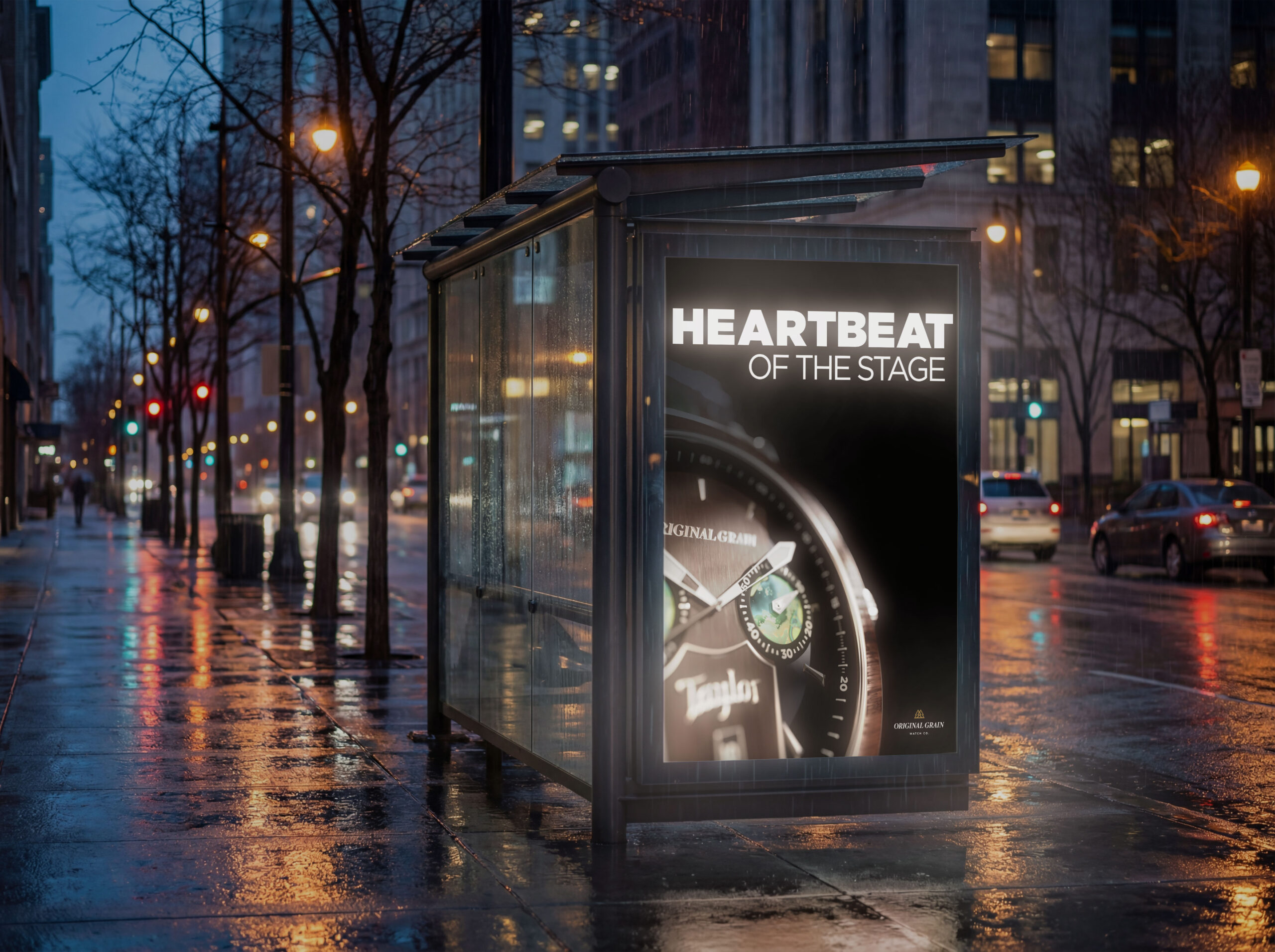
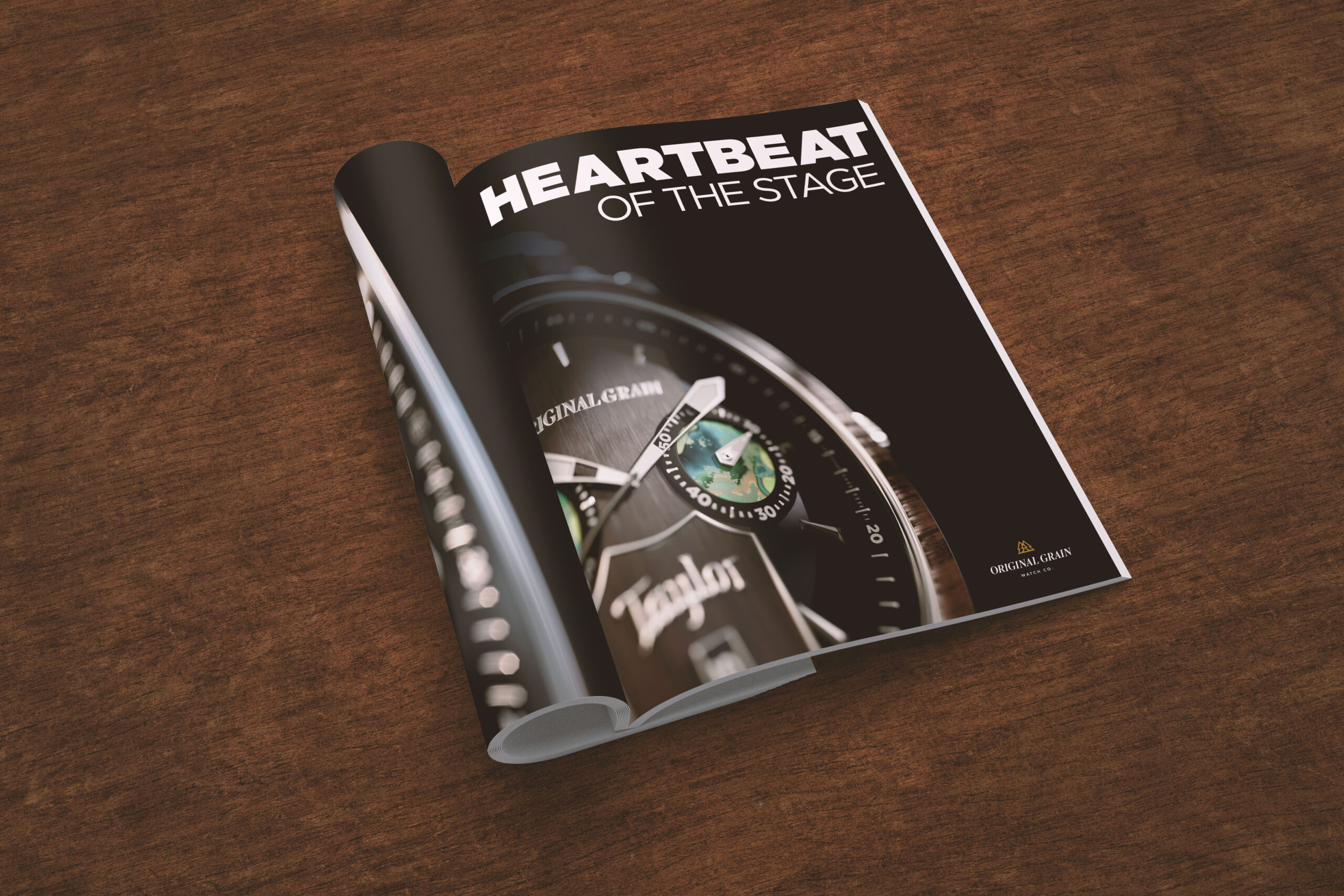
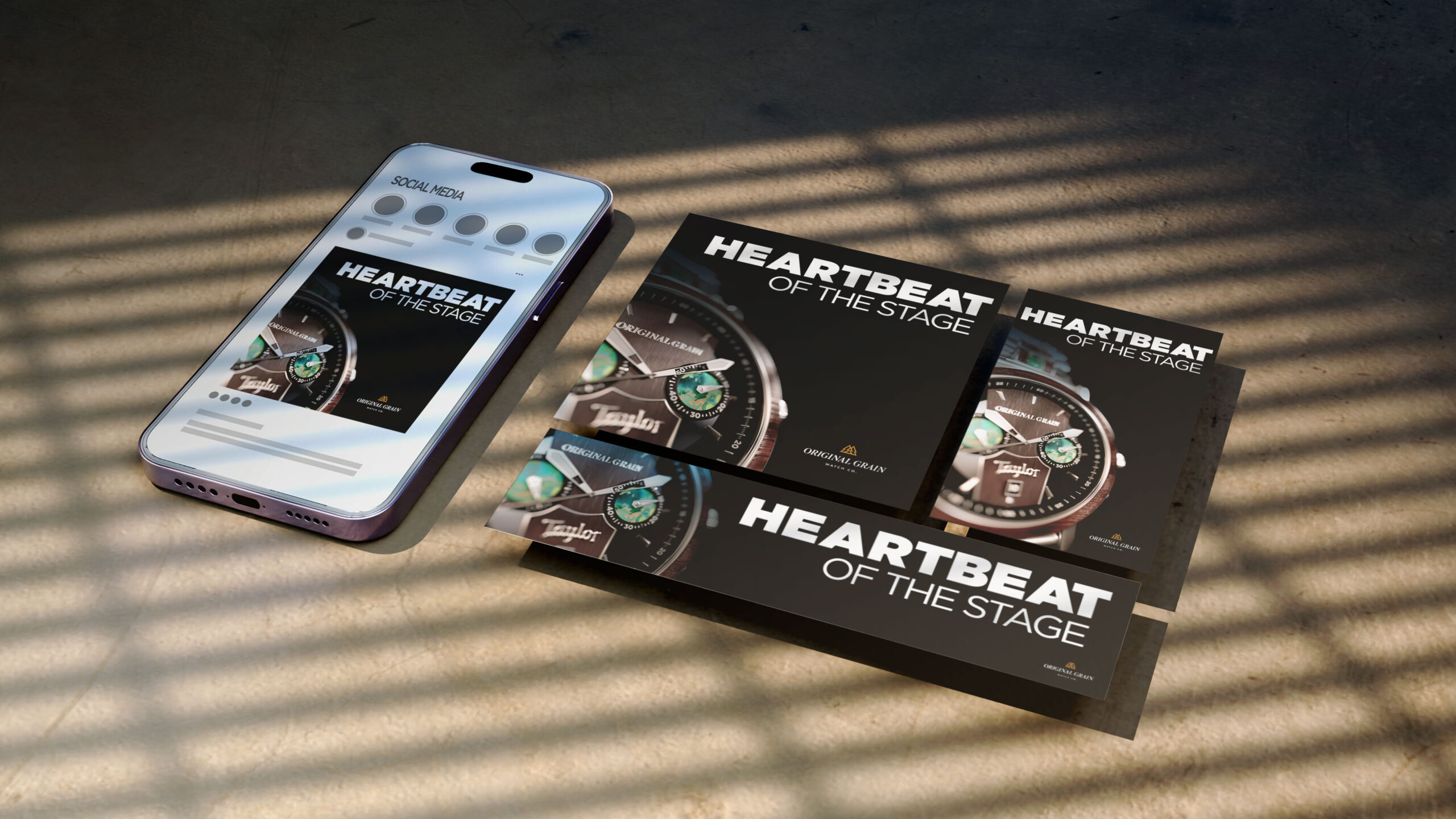
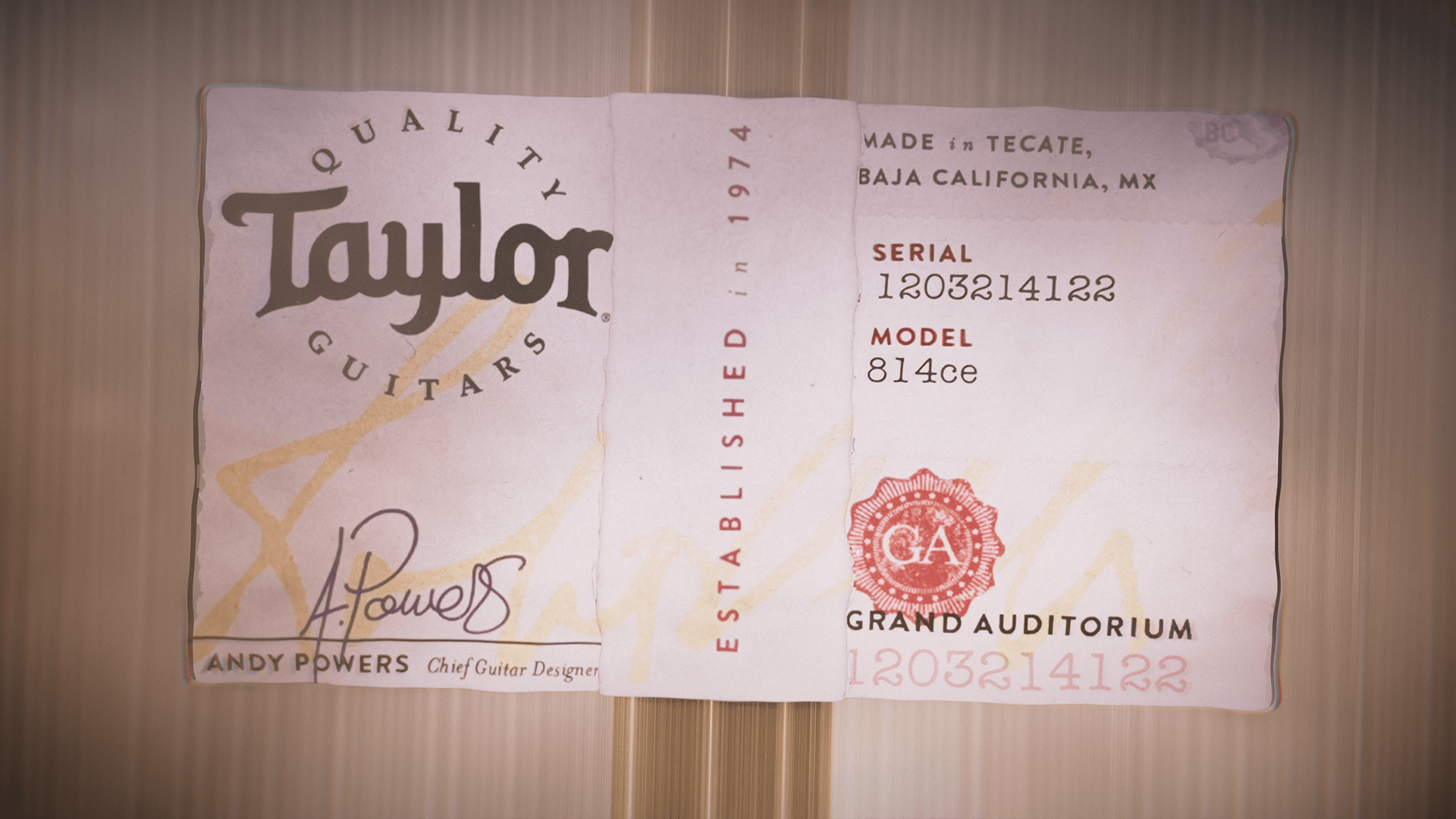
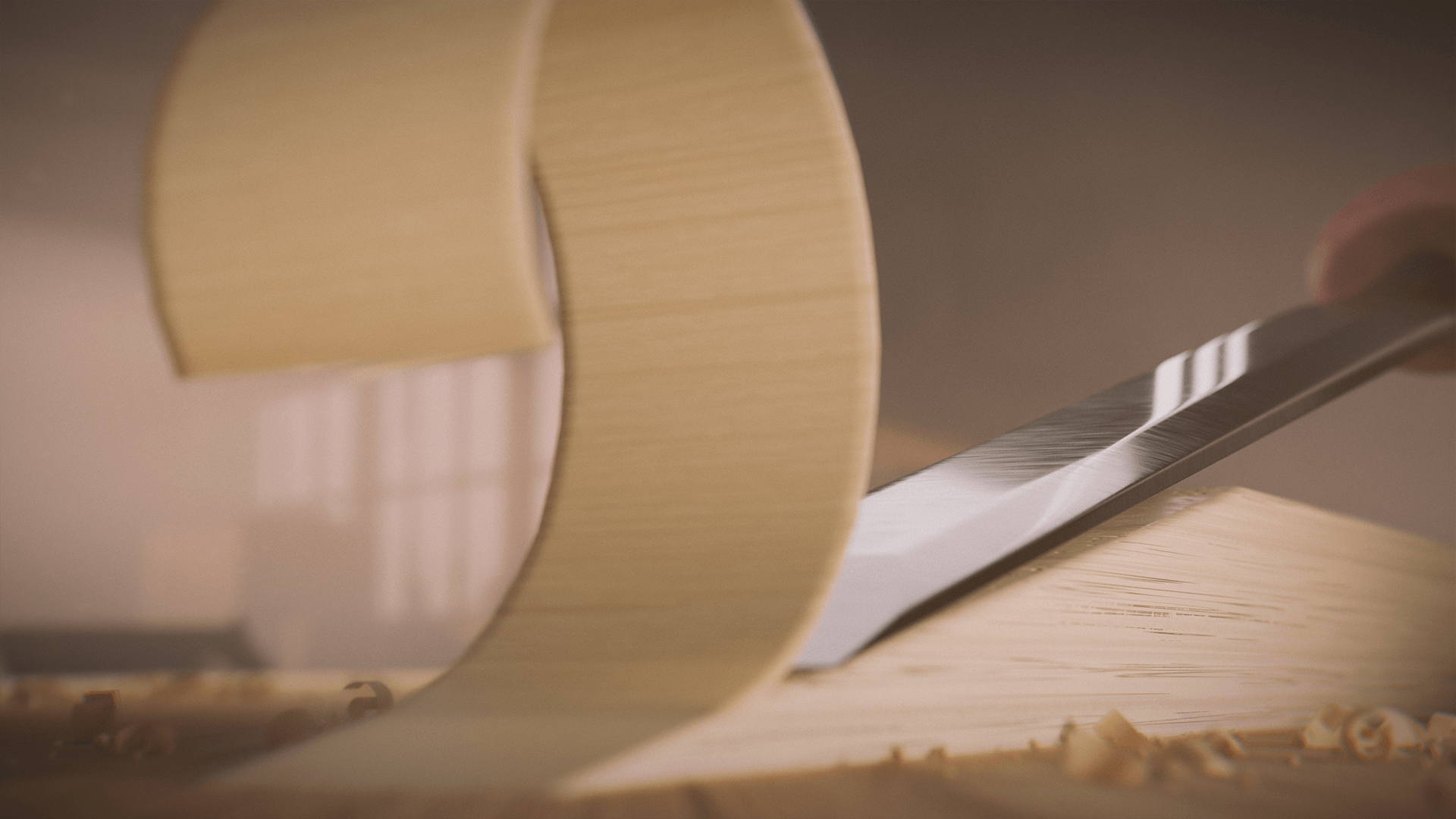
The concept was built around the idea of process before product. The spot opens in the craft. Bookmatched tops, wood shavings, hand tools, the interior of the body itself before arriving at the guitar as a finished object. That narrative arc was intentional. By the time we reach the hero shot, the viewer has been inside the instrument. The Taylor logo reveals with a whisp of the dust in the air, then lands as a confident reminder of the Taylor brand.
A Practical, Flexible Toolset
Blender (Cycles) – 3D modeling, texturing, lighting, simulation, and rendering
After Effects – compositing and visual finishing
Premiere Pro – editorial and sound design
Photoshop / Illustrator – texture work and supplemental asset refinement
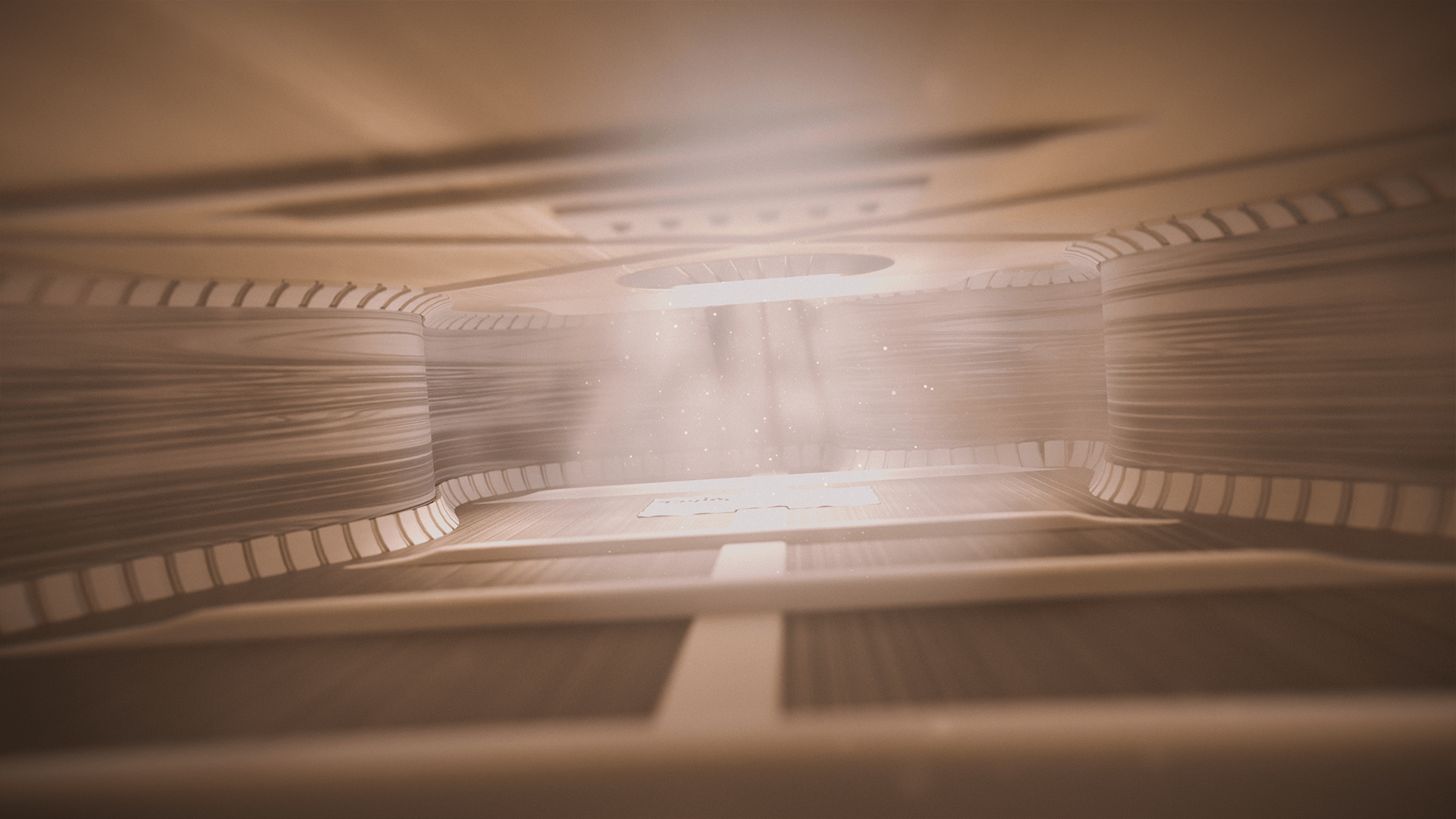
The workshop environment was sourced from the FAB Store with extensive custom shader and surfacing work applied in production. The guitar base model was sourced from TurboSquid. The interior of the guitar was created from scratch for the dramatic interior shot. Modeled with accurate X-Brace placement and supports. Lighting, hero prop modeling, animation, creative direction, and final edit were designed and executed by me.
Process & Execution
Production ran approximately three weeks end-to-end.
Rendering in Cycles with optimized settings allowed for layered volumetrics across multiple passes without breaking the pipeline. A custom shader node group was developed to simulate physically accurate wood grain using noise patterns and a Photoshop-style layering approach. Repeatable systems that generate varied looks efficiently.
Alembic caches were used to layer complex rigid body simulations cleanly. Marketplace assets were evaluated, converted to compatible formats, and in several cases had their shaders rebuilt from the ground up to match the visual target. The nine-shot sequence moves from raw material through craft process to finished instrument. Each shot carries weight on its own while building toward the hero reveal.
Behind the Scenes
Wireframe & Clay Renders
This is the actual build.
Hours of modeling, shading, lighting, and compositing captured in real time. No reconstruction.
Behind the Scenes
Wireframe & Clay Renders
This is the actual build.
Hours of modeling, shading, lighting, and compositing captured in real time. No reconstruction.
Reflection
Layering volumetrics across multiple shots without performance collapse was the technical problem worth solving. The wood grain shader turned that work into a reusable system.
The interior guitar shot, looking out through the sound hole with volumetric light pouring in, ended up being one of the strongest frames in the piece.
What I’d refine: a deeper exploration of Blender’s rigid body system, which revealed its limitations during simulation work. That’s a thread worth pulling on in future projects.
"Product visuals that feel earned rather than assembled."